

Oregano oil: natural wellness in every drop
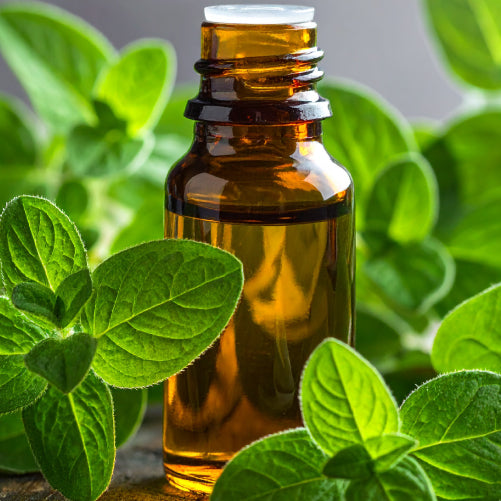
Oregano essential oil is one of those natural resources that, although small in size, concentrates a great history and traditional use that continues to spark interest today. With an intense and characteristic aroma, this oil has become an ally in natural wellness.
Let's get to know it!
Oregano is an aromatic plant native to the Mediterranean region, used since ancient times both in cooking and in traditional practices. The essential oil is obtained from its leaves and flowers through steam distillation, a process that allows its aromatic and bioactive compounds to be concentrated in a form much more potent than the dried plant.
For this reason, oregano essential oil is not used as a culinary herb, but as a highly concentrated extract, which requires knowledge and caution in its application.
What makes it special?
Within its composition are compounds such as carvacrol and thymol, widely studied for their antioxidant and antimicrobial activity. These studies help to understand why it has traditionally been attributed multiple uses, although it is important to clarify that this does not make it a medicine nor does it replace medical treatments.
Most common uses of oregano essential oil
Oregano essential oil is mainly used in three contexts:
· Aromatherapy, for its strong and stimulating aroma.
· Environmental use, in diffusers (in low concentrations).
· Topical use, which is where it has become most popular within natural self-care.
Topical use: most notable benefits
The topical use of oregano essential oil, always correctly diluted, is one of the most valued. Due to its potency, it should never be applied directly to the skin without a carrier oil such as coconut, jojoba, almond, among others.
· Applied via gentle massage, it is often used as support to create a feeling of relief and comfort in areas with muscle or joint discomfort, especially after physical exertion or accumulated tension. The slight warming effect it produces can be comforting for many people.
· In skincare, its spot application can help maintain cleaner, more balanced skin, especially in areas with blemishes. Likewise, its topical use is frequent in the care of nails and skin prone to fungus, which relates to the studied compounds.
· In a very localized way, some people also use it on specific areas of the skin, for example, in the case of warts, following dilution criteria, sensitivity tests, and avoiding delicate areas.
Important recommendations
· Do not apply pure essential oil to the skin; it must always be diluted.
· Always perform a prior sensitivity test.
· Avoid contact with eyes, mucous membranes, and broken skin.
In conclusion, oregano essential oil is a powerful essence, with ancestral roots and growing support from basic scientific research. Used consciously and topically, it can be integrated as a natural resource for wellness, bodily comfort, and skincare, reminding us that, in self-care, less is more and safety is always part of wellness.