

Horse chestnut: a natural classic for circulation
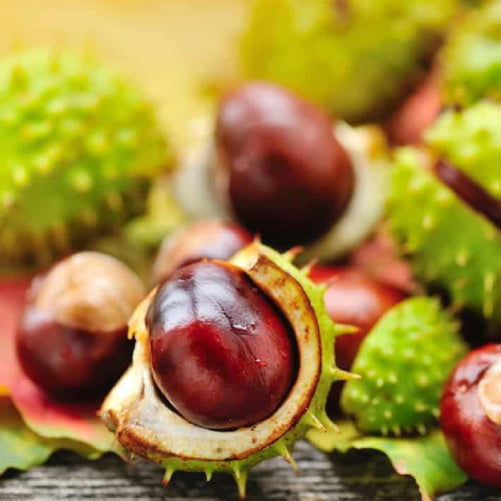
Horse chestnut is one of those plants that has accompanied natural well-being for centuries, especially when it comes to tired legs, a feeling of heaviness, and circulation care. Although we easily find it in creams and gels today, its history and traditional uses go back much further.
A bit of history
Horse chestnut (Aesculus hippocastanum) is a tree native to Eastern Europe and Western Asia. Since ancient times, its seeds, leaves, and bark have been used in traditional medicine, especially to alleviate discomfort related to circulation and inflammation. Over time, its use spread throughout Europe and today it is one of the most studied plants in this field.
And why does it catch our attention?
The main active compound in horse chestnut is aescin, to which effects are attributed that help strengthen blood vessels, improve venous tone, and reduce capillary permeability, which translates into less fluid retention and a feeling of swelling.
What does scientific evidence say?
Horse chestnut has scientific backing, especially in studies related to chronic venous insufficiency. Various investigations have observed that its compounds help reduce symptoms such as heaviness, pain, inflammation, and edema in the legs.
In the case of topical use, studies indicate that aescin applied to the skin can contribute to reducing local inflammation and improving the feeling of comfort, which explains its frequent presence in gels and creams for tired legs or those with poor circulation.
General uses and benefits
Horse chestnut is primarily used to:
- Support venous and circulatory health.
- Help diminish the feeling of tired or heavy legs.
- Contribute to the reduction of swelling and fluid retention.
- Promote a feeling of relief and freshness.
One of the most popular formats for horse chestnut is the topical gel. Applied with a gentle massage, especially from the bottom up, it is commonly used to:
- Generate an immediate sense of relief in tired legs after long days of standing or sitting.
- Provide freshness and rest at the end of the day.
- Support skin care in areas prone to swelling or heaviness.
- Complement circulatory self-care routines, such as physical activity or resting with legs elevated.
Keep in mind!
· If you are going to apply horse chestnut, make sure it is a product formulated for topical use. Do not apply it to open wounds or irritated skin. Avoid contact with eyes and mucous membranes.
Now you know, horse chestnut is a plant with tradition, scientific backing, and great versatility. Its topical use in gels and creams makes it a natural ally for the care of the legs and circulation, integrating easily into daily wellness routines. A clear example of how nature and science can come together to offer us simple, effective, and conscious solutions.