

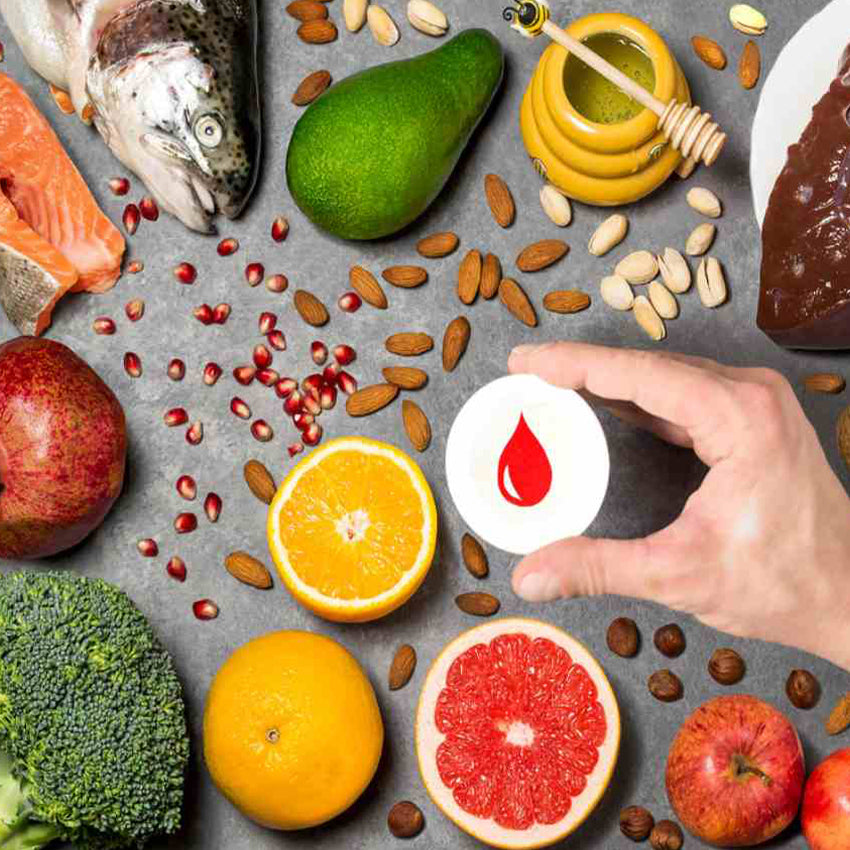
According to the theory of Dr. Peter D’Adamo, an American physician, researcher, and educator, there is a relationship between diet type and blood type. He explains this based on the idea that the evolutionary history of each blood type makes blood proteins compatible with certain foods and incompatible with others.
Classification of foods according to this type of diet:
Foods are categorized by the aforementioned author as: Beneficial, Neutral, or Avoid, and they vary according to blood type. The former are those that play an optimal nutritional role while also ensuring antioxidant and anti-cancer activity, considered by him to be “medicinal foods.” The second group plays an exclusively nutritional role. And the third are those containing substances that are indigestible for individuals of a certain blood type, capable of triggering a defensive reaction from the immune system.
Characteristics of each blood type, according to Dr. Peter D’Adamo:
| TYPE O BLOOD | TYPE A BLOOD | TYPE B BLOOD |
|
-Reported as the oldest blood type in humanity, a time when the population were nomads and great hunters.
-Generally possess a powerful and highly active immune system. -Tendency toward slow thyroid activity. -Difficulty adapting to new environmental and nutritional conditions. -Well-being with regular and intense physical or athletic activity. -Very efficient digestive system, capable of metabolizing high-protein diets. |
-The second oldest blood group, a time when populations dedicated themselves to cultivating food.
-Generally possess a vulnerable immune system. -Good adaptation to stable environmental and nutritional conditions. -Well-being with relaxing physical or athletic activity. -Fragile digestive system that poorly tolerates meat, wheat flour, milk, and dairy products. This group is supposedly more compatible with a vegetarian diet, rich in grains and legumes.
|
-The third blood group on record. By this time, the population was primarily dedicated to the care and domestication of animals.
-Possess an active immune system. -Ease of environmental and nutritional adaptation. -Well-being with moderate physical or athletic activities. -Efficient digestive system, which allows them to follow a varied and balanced diet, with milk and dairy products, but with low tolerance for cold cuts, pork, seafood, seeds, and nuts. |
Although the information mentioned above has some bibliographic support, in general, these are theoretical considerations and not conclusive concepts from clinical studies conducted with sufficient scientific rigor to allow for recommendations applicable to the general population. Further research into the subject is still required, and if you wish to adhere to this type of diet, it is suggested to do so under the supervision of a nutrition professional.
Camila Henao Uribe
Nutritionist Dietitian
University of Antioquia