

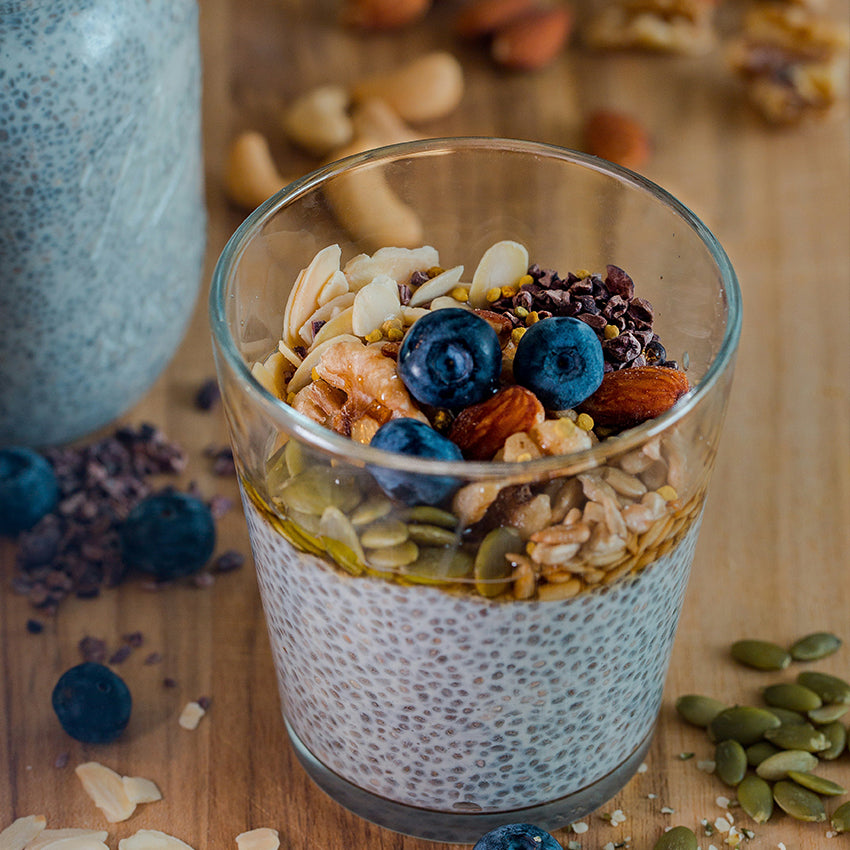
Breakfast is one of the main meals of the day, which should provide us with approximately 25% of our total calories, which must come from the three macronutrients: carbohydrates, proteins, and fats; and, of course, it must also provide us with vitamins and minerals.
Why is breakfast so important?
As the name suggests, breakfast is the meal with which we break the fast we held during our time of rest, and it is the one that provides us with the energy we need to start our day and perform all our activities normally.
When we wake up, and especially if we performed intense activities the day before, it is likely that our blood sugar levels are a little low; we know this condition as hypoglycemia. Additionally, we must consume proteins to repair our tissues, produce hormones, and strengthen our immune system; finally, we also need fats for the formation of new cells and for neurological and immune functions.
Unfortunately, and due to multiple causes, breakfast is the meal that most of us are accustomed to skipping, unaware that this habit is an enemy of health, as if it is maintained for a prolonged period, it can be a risk factor for the development of various chronic diseases, such as cardiovascular types, type 2 diabetes, and the development of obesity.
What are the reasons why people do not eat breakfast?
Among the most frequent excuses for skipping breakfast, we find: lack of time, drowsiness, lack of appetite, and the desire to lose weight.
What health benefits can the habit of eating breakfast bring?
- Adequate growth and development in children
- Less school and work absenteeism
- Better academic, work, and athletic performance
- Greater concentration and productivity
- Achieving and maintaining a healthy weight
- Acts as a protective factor against chronic degenerative diseases
How can I start including breakfast in my daily life?
A habit is a repeated behavior that is performed on a daily basis; it is everything we do repeatedly, sometimes even without realizing it. The first thing needed to start creating a habit is to have the will to do it; the second is simply to start performing the action in a consistent and disciplined manner, regardless of whether it is difficult for us to do so, until it becomes part of our daily life.
Here we present some practical recommendations so that it becomes easier to introduce breakfast into your daily routine:
Practice socialization: share breakfast with the people you live with, or with your study or work colleagues; while having breakfast, you can maintain a pleasant conversation.
Adjust your schedule: set your alarm clock 15 minutes earlier than usual so that lack of time is no longer an excuse for not eating breakfast. If you find it difficult, try sleeping a little earlier than you usually do.
Plan: in your free time, plan what you will have for breakfast and do the shopping for the foods you will include in your meals for the week.
Get ahead: from the night before, you can chop fruit, set the table, or get some preparations ready.
Alternatives: if your day starts very early and you do not have an appetite for a full breakfast at that time, have a smoothie or shake. When it is a little later, you should consume the rest of the food typical of breakfast.
Vary: to avoid getting tired of the same preparations, choose different foods and appealing, attractive dishes.
Unify your schedule: at least while you are acquiring the habit, try to eat breakfast at the same time every day, aiming to do so within the first hour and a half after waking up.
By: Camila Henao Uribe
Nutritionist Dietitian
University of Antioquia