

What stamps do not always manage to explain
Warning labels
What labels don't always manage to explain
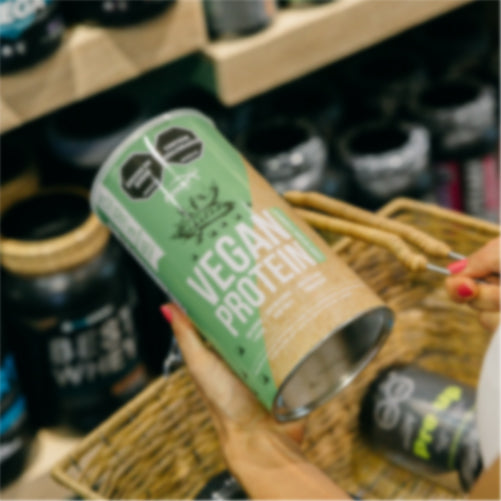
Front-of-package labeling is a public health strategy designed to clearly and visibly inform consumers about critical nutrients like sugar, sodium, and saturated fats present in excess in processed foods. Its goal is to guide the consumer toward more conscious and healthy purchasing decisions, especially in a context where diet-related chronic diseases continue to rise.
In Colombia, this measure materialized with Resolution 810 of 2021, which defined when a product should carry a warning label. Its implementation began in 2022, and from that moment on, companies adjusted their labels and, in many cases, modified their formulas to avoid the warning. However, the regulation has not remained the same: in 2024, the parameters became stricter, causing some products that previously did not have a label to now require one, even though their composition has not changed.
The implementation of these labels has had side effects that are often not considered. It is common for products carrying one or more labels to be stigmatized—that is, judged as "bad" or "harmful"—without the consumer analyzing that the actual impact on health depends on the frequency of consumption, the quantity, and the context of the total diet.
In practice, some foods that have accompanied families for generations have seen their consumption drop simply due to the presence of the label. Chocolates, cookies, aged cheeses, or traditional beverages, which were once part of gatherings or small moments, are now chosen less often for fear of "eating something bad."
For the industry, this implies a significant challenge. Many companies have opted to reformulate their products to avoid the labels, which means adjusting key ingredients. This change, while well-intentioned, can alter essential aspects such as the characteristic texture or flavor. In some cases, it even decreases the feeling of satiety that the product previously offered. And if the consumer perceives that it "doesn't taste the same anymore," they are likely to stop buying it.
Today, nutrition needs balance, not extremes. It is not about demonizing products because of a label, but about understanding the full picture. As consumers, we have the power to inform ourselves and choose intelligently. And as an industry, the challenge lies in finding that middle ground where a food can
Be tasty, nutritious, and transparent. Because at the end of the day, beyond the label, what matters is the relationship we build with what we eat.