

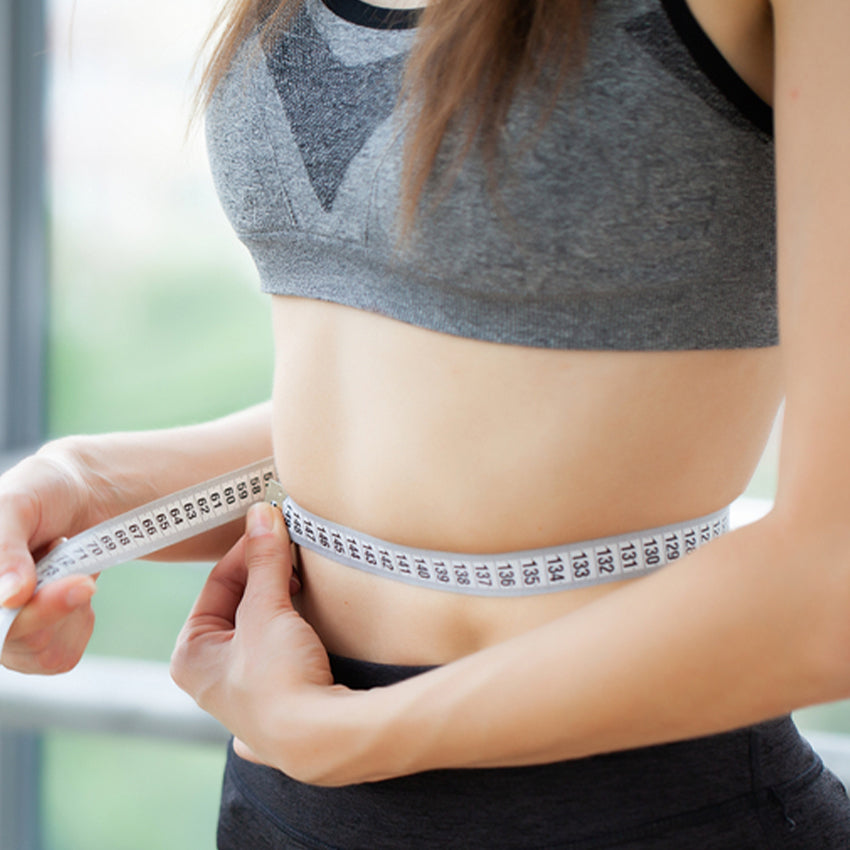
When it comes to weight loss, fad diets, and miracle products, there are many beliefs—some are true, and others are completely wrong. Camila Henao Uribe, a nutritionist and dietitian from the University of Antioquia, tells us what is actually true about the subject:
– Weight loss is achieved by eliminating fats from the diet:
This is a completely false concept, as any traditional healthy diet, even a low-calorie one, should maintain a fat intake that provides 25% to 35% of daily calories. While an excess of fat is not healthy, neither is a deficiency. What you should be careful about is the type of fats consumed; unsaturated fats (such as mono- and polyunsaturated fats) should be prioritized, while the consumption of saturated fats, cholesterol, and trans fats should be moderated.
– Weight loss is guaranteed by eating 6 times a day instead of 3:
This is an unfounded idea, as what really leads to weight loss or gain is the quality and quantity of daily calories we consume, not how we distribute them throughout the day. There are people who follow diets with 3 medium meals and achieve satisfactory weight loss, just as there are others for whom 5 or 6 small meals are scheduled and also achieve it successfully. The number of meals should basically be planned according to the habits and schedules that the person in question already has in place.
– Controlling calories guarantees safe weight loss:
False! While you must reduce total calories in a weight-loss diet, that is not the only thing. You should choose healthy foods that, in addition to calories, provide quality nutrients capable of helping you lose weight in a safe and sustainable way over time, always prioritizing health and good nutritional status. To facilitate this, the ideal approach is to base your diet on natural, fresh products, such as fruits, vegetables, seeds, legumes, nuts, healthy fats, lean meats, and dairy, while keeping the consumption of highly processed or packaged foods to a minimum.
– Drinking liquid with meals prevents weight loss:
False! First, you have to check what is being consumed as a drink (fruit juices, sodas, water, sugar-free drinks, milk, etc.). Drinking liquid with meals may be necessary for some people who cannot swallow dry food. Drinking liquid with meals makes the feeling of satiety appear much sooner than when you don't drink, thereby favoring the consumption of smaller portions of food. To conclude, drinking liquid on its own does not make us gain or lose weight, but in a weight-loss diet, the type of drinks ingested should always be monitored, avoiding at all costs those high in sugar.
– Fruits are not allowed in my weight-loss diet:
Completely false. Fruits are nutritious and healthy foods that, when consumed in the recommended portions, can contribute favorably to health. Of course, they also have calories, and if consumed in excess—like any other food—for a prolonged period, they could lead to weight gain, provided that the total calories consumed are more than what you need. So, eat fruits calmly and enjoy them without excess.
– Miracle products guarantee weight loss:
No product alone leads to this loss, at least not one that is safe for your health. Any substance that might help with weight loss should ideally be complemented by a low-calorie diet and physical activity. Furthermore, if a product promises to make you lose certain kilos in a specific time, it is worth being suspicious of it. Finally, if a product promises and succeeds in making you lose weight magically, you can be sure that it is silently affecting your health, and this may take a toll on you later in various ways. While there are safe and useful products on the market that are a good supplement, never base a weight-loss diet on their consumption, and always consult a nutrition professional.
– A good weight-loss diet means stop eating:
Absolutely false. While the strategy of intermittent fasting is booming these days and is a valid strategy for achieving weight loss, among other things, it is not for everyone. In fact, intermittent fasting should always be indicated and monitored by a nutrition professional and should only be recommended to certain people. Traditionally, weight-loss diets have been successful to the extent that they allow the person to consume food throughout the day, avoiding the sensation of physiological hunger and excessive food deprivation. In an ideal weight-loss diet, portion sizes should be adjusted, cooking methods modified, total calories reduced, and the consumption of certain nutrients moderated; however, they do not necessarily have to be overly restrictive diets.
By: Camila Henao Uribe
Nutritionist and Dietitian – University of Antioquia