

Plantago Psyllium, your ally for digestion and heart health
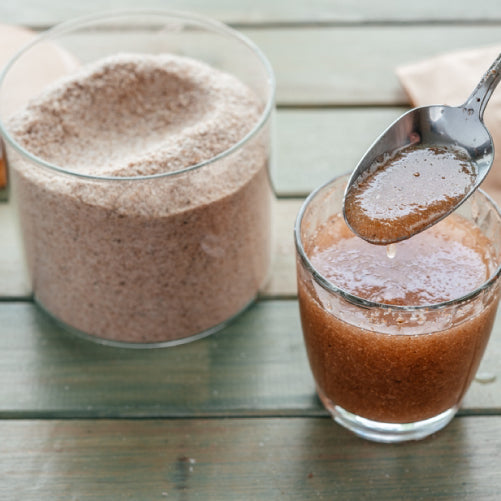
Psyllium (Plantago psyllium) is a plant whose seeds offer great health benefits, which is why they have been used since ancient times in natural medicine.
Among its traditional therapeutic uses, its favorable effect in the treatment of chronic constipation and the reduction of cholesterol levels stands out, thus supporting both the digestive system and the cardiovascular system.
Its effectiveness is related to the high concentration of fiber contained mainly in its seeds, at around 95%.
Psyllium and constipation:
Constipation is a condition that occurs when bowel movements become less frequent than normal or when stools harden and bowel evacuation becomes difficult; it is also when there is a sensation of “incomplete evacuation.”
Undoubtedly, constipation is annoying and affects the quality of life of those who suffer from it. It tends to affect mainly children and the elderly, though it is also a common condition in adults, and it is usually more present in women than in men.
Constipation can be classified into two types, according to duration and the cause that originates it:
Acute or occasional constipation:
Also called transient. It is the type of constipation with a recent onset that occurs due to one or several apparent factors, such as changes in diet, decreased physical activity, or high levels of stress, among others.
Chronic constipation:
It is the type of constipation that is long-standing, meaning it has been present for a long time. It is related to risk factors such as: low fiber and fluid intake, a sedentary lifestyle, among others.
Role of psyllium against constipation:
Psyllium seeds are rich in soluble fiber. This specific type of fiber is characterized by its ability to hydrate; that is, to trap water, both the water present in the liquid where the product is prepared and the water in the intestinal environment. It is precisely this hydration capacity that gives it its digestive property.
When the psyllium seed hydrates, it forms a kind of viscous gel rich in mucilages, which soften the stool. On the other hand, upon hydrating, they also increase in size, and by increasing in size, they stimulate intestinal movements. Thanks to these two mechanisms of action, the laxative effect is explained. This effect allows bowel evacuation to occur more easily, without causing discomfort or being traumatic.
Psyllium is especially useful in cases of chronic constipation, helping people who suffer from it to gradually regulate their intestinal transit, providing a natural solution to this annoying symptom.
Psyllium and lipid profile:
Due to its ability to hydrate and form a viscous substance at the intestinal level, psyllium is also useful in reducing the absorption of cholesterol and glucose that comes from food.
This effect is ideal and is of great help to those who have high cholesterol and blood sugar levels. It should be noted that to achieve this effect and prolong it over time, the intake of soluble fiber must be continuous.
As we can see, it is a wonderful fiber that we should include in our daily routine if we have either of these two health situations, so that we can keep our intestine and heart safe.