

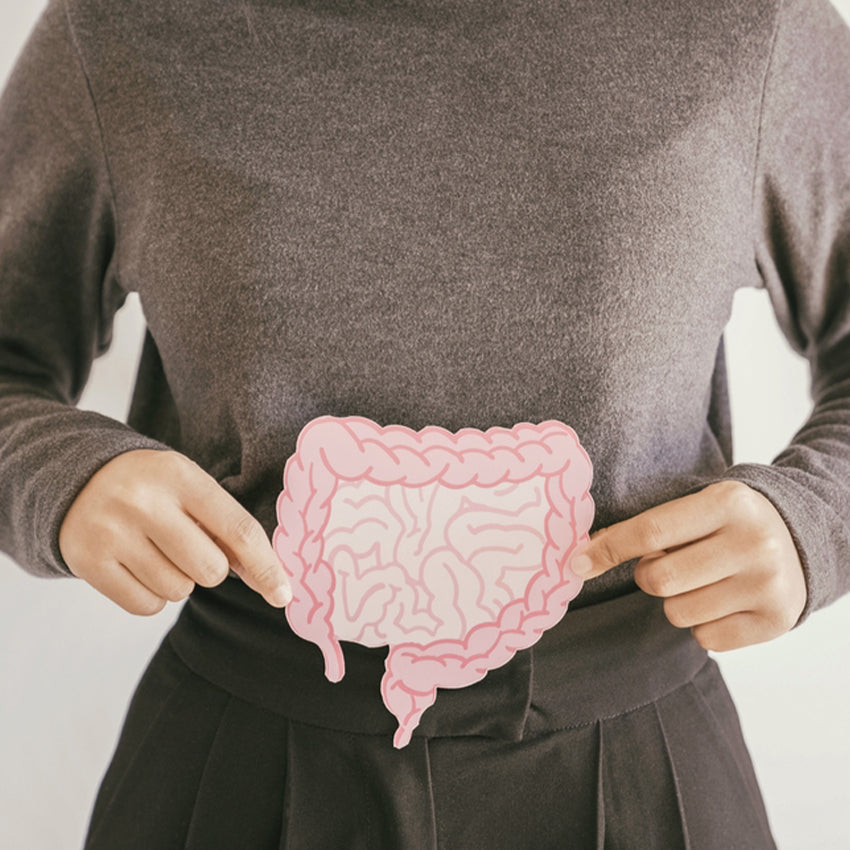
Both foods with probiotics and those with prebiotics are functional compounds that fulfill a role beyond the provision of nutrients. Both have the capacity to modify, in favor of health, certain physiological responses of the body.
Probiotics:
The term probiotic etymologically means "for life." The World Health Organization (WHO) defines it as a "live microorganism which, when administered in adequate amounts, confers a health benefit on the host" (1). Probiotics can be added to different types of products, including pharmaceuticals, foods, and dietary supplements. The gram-positive bacteria Lactobacillus and Bifidobacterium are the most widely used, but the yeast Saccharomyces cerevisiae and some species of E. coli and Bacillus have also been employed. The most common form in which we find probiotics is in dairy products (yogurt, fermented milk drinks, or certain cheeses) and in some others with the addition of microorganisms of the aforementioned species.
Probiotics play an important role in digestive, immune, and respiratory functions; furthermore, according to the World Gastroenterology Organisation, they are also useful for preventing diarrhea caused by antibiotics, for treating lactose intolerance, and for reducing the symptoms of irritable bowel syndrome.
A probiotic must meet the following conditions:
- Specified by genus and strain when added to supplements, medications, or foods.
- Found alive in the product and remain so throughout its shelf life.
- Capable of being administered orally or enterally (gastric tube feeding when applicable).
- Demonstrated to be effective in controlled human studies.
- Safe, meaning it does not put the consumer's health at risk.
- Capable of surviving the transit through the digestive tract and proliferating in the intestine.
Prebiotics:
These, for their part, are dietary ingredients that the body is incapable of digesting, as we lack the specific enzymes for it; these stimulate the proliferation and activity of one or more types of beneficial bacteria in the colon. Prebiotics serve as sustenance for the normal intestinal flora to maintain itself, proliferate, and properly fulfill its functions.
For a substance to be defined as a prebiotic, it must meet the following: be of plant origin, form part of a heterogeneous group, be indigestible by digestive enzymes, undergo partial fermentation by colon bacteria, and be osmotically active, meaning it can trap water from the environment where it is located.
There are some types of fiber that have been shown to have prebiotic activity; these are: inulin, Fructooligosaccharides (FOS), Galactooligosaccharides (GOS), soy-derived oligosaccharides, Xylooligosaccharides (XOS), pyrodextrins, and Isomaltooligosaccharides; when these ferment in the intestine, they produce gases and short-chain fatty acids, the latter being the energy source for beneficial bacteria, which allow us to maintain good intestinal health and prevent us from developing infectious diseases, primarily at the digestive and respiratory levels.
Camila Henao Uribe
Nutritionist Dietitian
University of Antioquia
FAO/WHO. Guidelines for the evaluation of probiotics in food. 2002. Internet: http://www.who.int/foodsafety/fs_management/en/probiotic_ guidelines.pdf.