

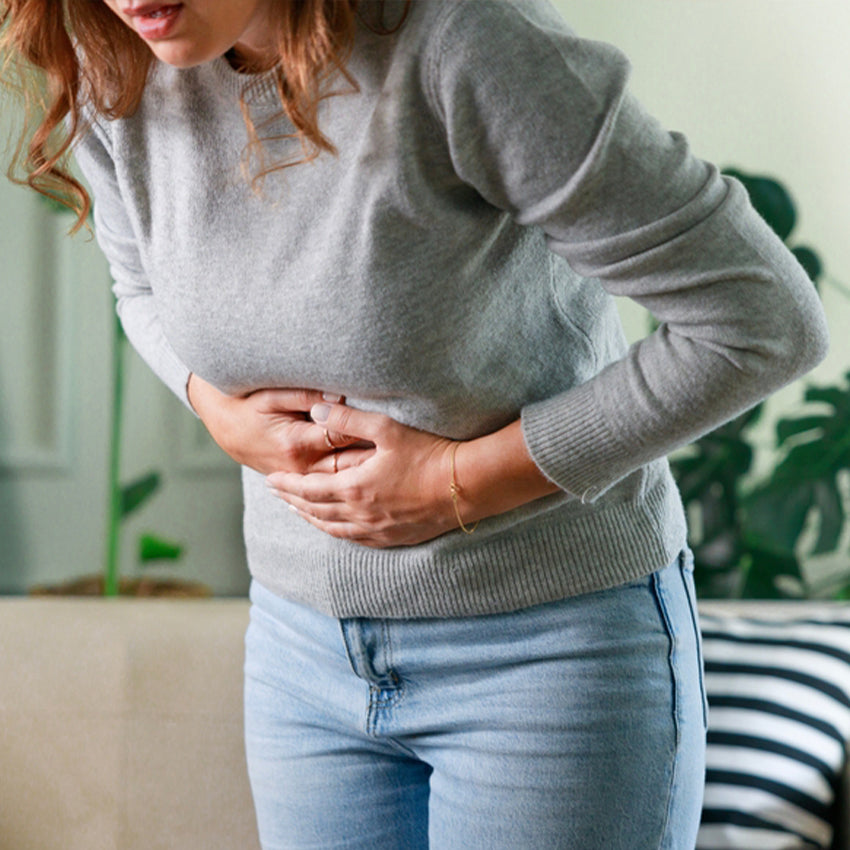
Gastritis is the acute or chronic inflammation of the gastric mucosa or inner lining of the stomach.
It is a condition that can be caused by both lifestyle-related factors and external factors; it is largely preventable, and once it occurs, it is key to adopt certain eating habits for recovery.
Its symptoms can be highly variable; it is even possible to show no symptoms at all until the disease is already advanced. Among the most frequent symptoms that alert us to gastritis are: discomfort, stabbing or burning pain in the upper abdomen that may worsen or improve after eating, nausea, vomiting, and an uncomfortable feeling of fullness.
Among the most common external factors for developing gastritis are: being infected with the Helicobacter pylori bacteria, frequent administration of non-steroidal anti-inflammatory drugs (NSAIDs), alcoholism, smoking, drug use, abuse of irritant substances, and high levels of stress.
Tips to prevent gastritis or aid in its improvement:
Avoid alcoholism, smoking, self-medication, and the consumption of psychoactive substances, as well as the abusive use of non-steroidal anti-inflammatory drugs (aspirin, diclofenac, ibuprofen, naproxen, piroxicam, among many others).
Moderate the consumption of dark-colored beverages, mainly coffee and cola-type sodas, as these are irritants to the stomach.
Regulate the consumption of spicy, acidic, seasoned, and high-fat foods.
Do not consume foods at extreme temperatures; both very hot and very cold foods could increase gastric discomfort.
Eat slowly and chew your food well; this will facilitate digestion. Avoid prolonged fasting. Divide your daily food intake into 5 to 6 small meals and, if possible, set fixed times to eat.
Avoid consuming foods that you have identified you do not tolerate well or that cause symptoms such as: acidity or epigastric pain (pit of the stomach), bloating, nausea, or any other gastrointestinal discomfort. Do not consume foods of unknown origin, such as unwashed and un-sanitized fruits and vegetables, unpasteurized dairy products, non-potable water, or generally mishandled food, to avoid infection with Helicobacter pylori or other microorganisms. Prefer home-prepared foods with proper handling and hygiene.
In case of nocturnal reflux, use a high pillow or recline the head of your bed at a 30° angle. Have your last meal of the day at least 1 hour before going to bed.
For cases of inflammation, opt for products based on calendula, since this plant is approved for use as an anti-inflammatory and will help you manage your symptoms.
By: Camila Henao Uribe, Nutritionist Dietitian