

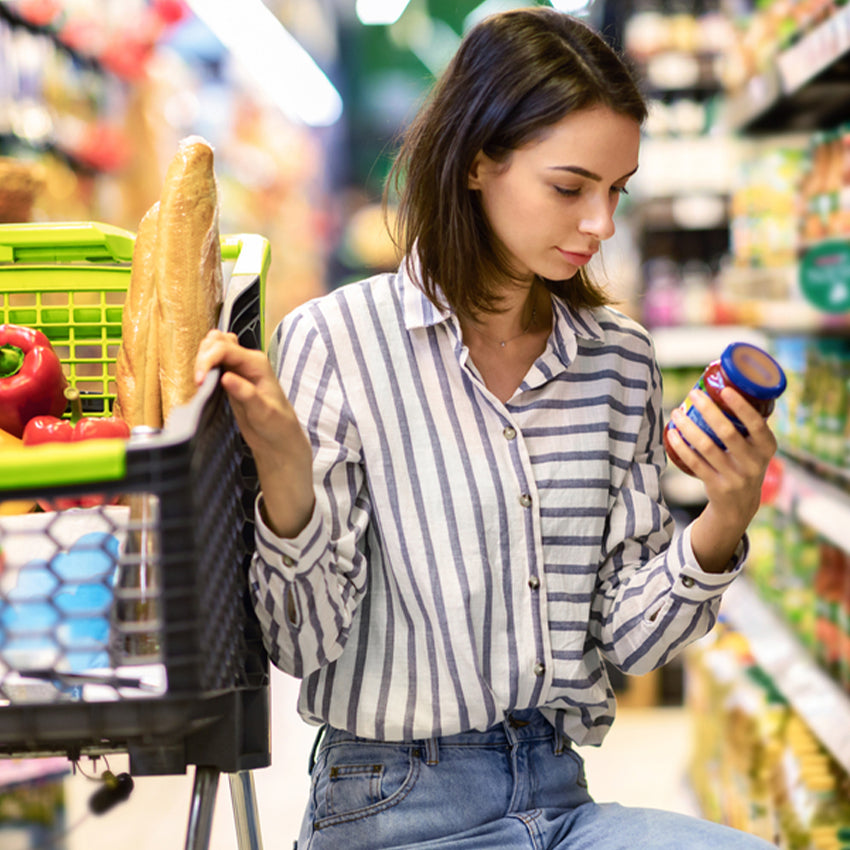
The growing concern among consumers about knowing what they are eating has generated a revolution around the topic of nutritional labeling, in which it is no longer just about the calories, protein, fat, and sugar content in food; but also additional information, such as the list of ingredients, the addition of synthetic compounds, and even the processing used to obtain the final product.
Nutritional labels are intended to provide general information about the food they contain, summarizing its most important aspects in a kind of "résumé" of the product. However, for years they were ignored and relegated to the background by consumers, which is why the industry had not previously been concerned with creating them in a clear and understandable way. This has definitely changed, in the sense that today's consumers are better informed, more interested, have mastered more concepts, and above all, have become much more empowered regarding their health; and the way the industry is responding to this is by evolving in how it communicates information about its products, seeking above all to generate trust in those who consume them.
Some of the trends that consumers are looking for today on their food labels are: low or moderate amounts of sodium, saturated fat, and sugar; short ingredient lists; understandable, easy-to-read words; natural flavors and colors; products free of chemical preservatives; known and generally as natural as possible ingredients; products that have not been tested on animals; and eco-friendly packaging, among others. In this way, a nutritional label that meets these conditions will be considered transparent, will provide reliability, and will invite the consumption of said food.
It should be clarified that this interest in the control of the food being consumed has been extrapolated to foods that do not have nutritional labels, such as fruits, vegetables, greens, and sometimes grains, seeds, and legumes grown in an artisanal manner. In these, since there are no labels to check, the concern has shifted to following the traceability of the products; that is, people want to track the journey their food has taken from sowing, cultivation, and harvesting to its arrival on their table; and if this information comes with a bit of the history of these products, even better!
For this type of food that does not have a label, the growing trend that consumers are pursuing is based on organic or ecological products, that is, those in whose production process no synthetic agents, such as pesticides, herbicides, and artificial fertilizers, have been used.
And you, which foods do you prefer? Have you already checked the nutritional labels of the food you consumed today?
By: Camila Henao Uribe – Registered Dietitian, University of Antioquia